
Indoor LED Sphere Solutions in Oregon
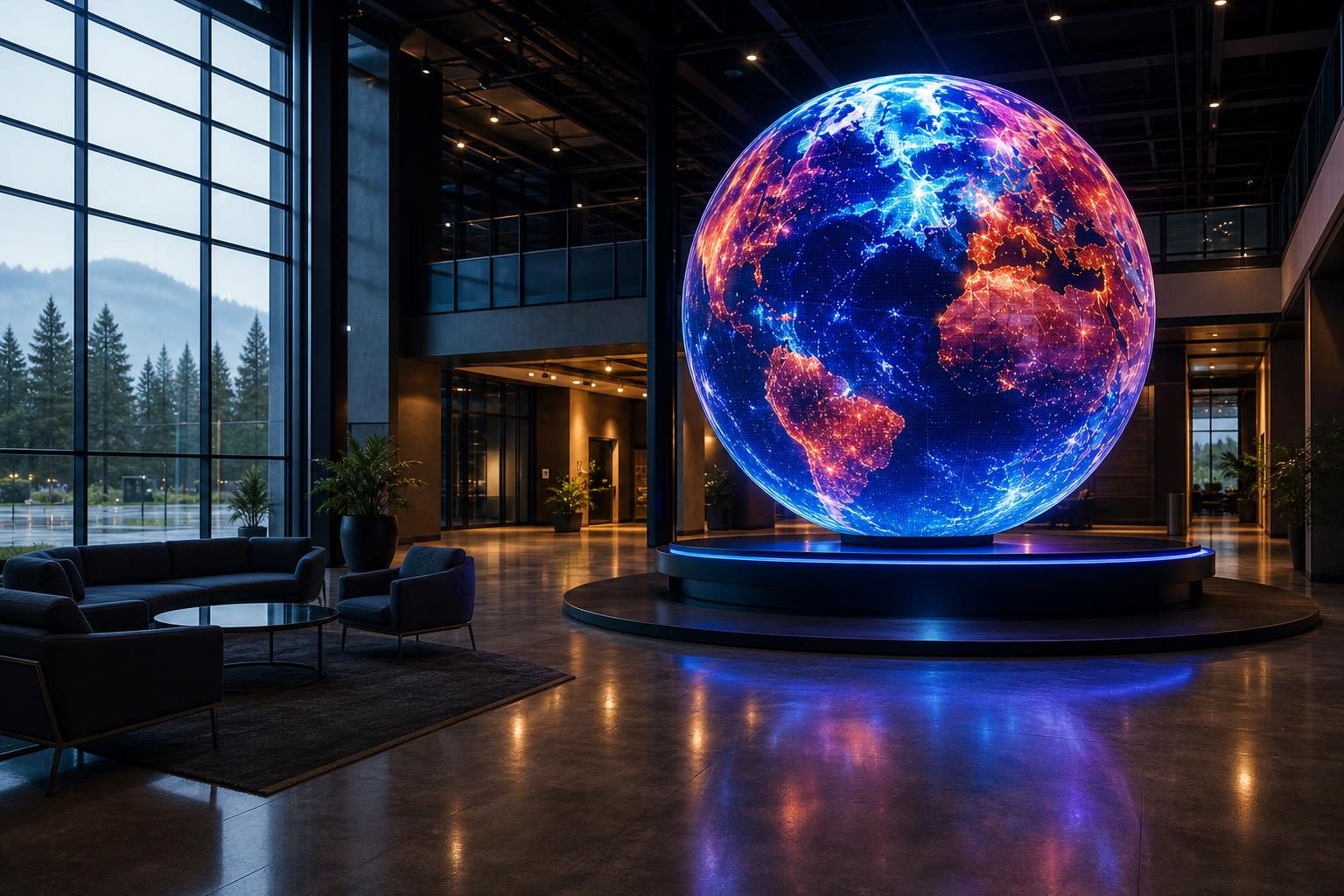
Indoor digital spheres are transforming the way Oregon venues communicate, interact, and create lasting impressions. By integrating a digital sphere into your interior space, you unlock new dimensions for storytelling, education, art, and branding. Whether in a museum, university, hospitality environment, or local business, an indoor digital sphere in Oregon can serve as both centerpiece and interactive canvas. This expanded guide provides you with in-depth insight into selection, use cases, installation planning, best practices, common pitfalls, and future trends, specifically tailored for Oregon venue operators and planners.
What is an Indoor Digital Sphere?
An indoor digital sphere is a high-tech visual display shaped in a seamless globe, allowing for 360-degree viewing of digital content. Unlike conventional rectangular displays, the sphere enables content to be wrapped around its entire surface, offering panoramic engagement and drawing attention from every direction. The seamless, curved design captures the imagination and invites audiences to move around and experience dynamic visuals from different perspectives. This makes digital spheres ideal for immersive storytelling, educational demonstrations, and innovative branding activations.
Strategic Advantages of Indoor Digital Spheres in Oregon Venues
- Visual Impact: The unique geometry and vivid digital capabilities ensure your installation stands out. The sphere instantly attracts and holds attention, enhancing visitor dwell time and engagement.
- Flexible Content: Present everything from abstract art and scientific simulations to event information and branded messaging. Custom content can be programmed and scheduled for any audience or occasion.
- Immersive Experience: With content visible from all sides, guests can walk around the sphere, creating an immersive interaction not achievable with traditional screens.
- Versatility: Digital spheres are equally at home in education, retail, events, or corporate settings, adapting to new priorities and content over time.
- Space Efficiency: Spheres can be designed for floor mounting or suspended from ceilings, making efficient use of available space and architectural features.
Key Applications for Indoor Digital Spheres in Oregon
1. Museums and Science Centers
Digital spheres bring educational exhibits to life in Oregon’s museums and science centers. For example, they can visually represent planetary motion, weather phenomena, or topographical data, captivating school groups, tourists, and families. By rotating digital maps or simulating global events, spheres facilitate understanding of complex topics in an experiential way. Additionally, spheres are ideal for hosting interactive educational programs and live demonstrations, supporting the institution’s mission to inspire curiosity.
2. University Campuses and Educational Institutions
Colleges and K-12 institutions in Oregon benefit from digital spheres as innovative tools for data visualization, team projects, or student showcases. Places like innovation labs, libraries, student unions, and lecture halls can use the sphere for collaborative presentations, displaying campus updates, and fostering engagement across diverse audiences. The technology also supports STEM curricula by visualizing scientific or mathematical concepts three-dimensionally.
3. Convention Centers, Trade Shows, and Event Venues
Modern convention centers in Portland, Salem, or Eugene use digital spheres as high-profile features in entrance halls or main event floors. Spheres are perfect for sponsorship highlights, event scheduling, live social media feeds, and thematic branding. They can guide attendee navigation, amplify keynote sessions with synchronized content, and serve as interactive photo backdrops that drive word-of-mouth buzz.
4. Corporations, Lobbies, and Brand Headquarters
Multinational firms and local headquarters in Oregon value digital spheres for their lobbies and meeting spaces, where first impressions matter. Spheres support real-time data dashboards, mission videos, welcome messages, or branded motion graphics. This technology enhances brand perception and signals commitment to innovation in a competitive business landscape.
5. Retail Flagships and Shopping Environments
Flagship stores and shopping centers in Oregon can drive customer engagement and seasonal campaigns with digital spheres. Applications range from launching new collections to running interactive contests and advertising lifestyle content. Spheres encourage shoppers to pause and explore, providing a memorable experience that differentiates your brand in a crowded marketplace.
6. Hospitality and Entertainment
Hotels, resorts, and entertainment venues in cities like Bend or the Oregon Coast use digital spheres to set the mood, create memorable arrival experiences, and provide ambient entertainment. Spheres can enhance luxury lobbies, host themed content for special events, or highlight local attractions and services in a visually appealing way. For conference centers and casinos, spheres generate valuable advertising opportunities for internal and external events alike.
Guidance: How to Select the Right Indoor Digital Sphere
Selecting the appropriate digital sphere for your Oregon venue is a multi-step process. Here’s a breakdown of essential considerations to guide decision-making:
- Venue Assessment: Survey the chosen location for maximum visibility, accessibility, and audience engagement. Consider the flow of visitors and potential sightline obstructions from columns, furnishings, or displays.
- Optimal Size Selection: Spheres are available in a range of diameters. Assess ceiling height, available floor space, and the desired visual scale to ensure proportional integration with other architectural elements.
- Mounting Solutions: Decide between floor-standing, suspended, or custom mountings. Factor in building structure, safety, ADA compliance, and routing for power/data.
- Viewing Distance and Resolution: Understand your anticipated audience proximity. Greater resolution is needed for up-close viewing (such as in galleries), while distant viewing allows for larger sphere sizes with moderate detail.
- Content Management Capability: Determine who will create and update digital content. Ensure there is an intuitive management system for daily operation and emergency procedures.
- Compliance and Permits: Review Oregon local codes for electrical, fire safety, seismic, and event permitting. Documentation may be required for commercial or institutional installations.
Planning and Installation Considerations
Proper planning and installation are critical for a secure, efficient, and impressive digital sphere deployment. Here is an expanded installation checklist:
- Site Surveys: Take precise physical measurements—including floor space, ceiling height, weight capacity, and delivery access points. Plan for equipment staging and traffic rerouting during installation.
- Power Infrastructure: Confirm sufficient electrical supply and proximity to dedicated outlets. Some installations may require backup power planning for critical venues.
- Data Connectivity: Plan for hardwired or wireless network access as needed. This may involve coordination with your IT team or hired contractors for new cable runs or integration with secure organizational networks.
- Structural Integration: Work with qualified structural engineers, particularly for suspended installations or heavy spheres. Safety and stability must be prioritized, including considerations for seismic activity in certain Oregon regions.
- Permitting and Inspections: Seek local government approvals where required. Public venues may need fire marshal review, accessibility certification, or special event permits.
- Assembly and Testing: Allocate time and resources for professional assembly, calibration, and content testing. Conduct a pre-opening walk-through with your project team to validate functionality, safety, and aesthetics.
Environmental and Lighting Considerations
The ambiance and existing lighting of your venue will directly impact the effectiveness of digital sphere visuals. Here’s what to keep in mind:
- Ambient Lighting: Digital spheres thrive in environments with controlled light—minimizing harsh reflections and glare. Adjust architectural lighting as needed to create optimal contrast and clarity without overpowering the digital display.
- Climate and Ventilation: Spheres emit some heat during prolonged operation. Ensure nearby HVAC systems can handle extra load, and provide sufficient airflow to prevent overheating and maintain consistent performance.
- Cleaning and Maintenance Environment: Indoor spheres must be accessible for routine cleaning, especially in high-traffic or food-service areas. Plan cleaning schedules and access equipment accordingly.
Material and Performance Considerations
Understanding the manufacturing quality and design details will help you select a product that maintains consistent performance in Oregon conditions:
- Durability: Choose models built from commercial-grade materials that withstand frequent usage, temperature fluctuations, and occasional contact by visitors or staff.
- Calibration and Image Uniformity: High-quality digital spheres provide seamless image blending and color calibration, even with complex wraparound graphics. Request product demonstrations or samples where possible.
- Software Updatability: The system should allow regular firmware and software updates to maintain security, compatibility, and content freshness over time.
Common Content Types and Creative Uses in Oregon
Digital spheres present nearly endless creative opportunities. Consider these content ideas for Oregon organizations and events:
- Welcome Sequences: Custom visuals for guest arrivals, conferences, and conventions.
- Geographic Visualizations: Rotating globes, regional maps, or Oregon-inspired natural scenes.
- Event Branding and Scheduling: Animated schedules, directional signage, or themed artwork for changing events.
- Scientific Demonstrations: Interactive simulations of planets or molecules for STEM education.
- Local Art and Culture: Partnerships with Oregon artists for limited-edition content exhibitions or cultural celebrations.
- Environmental Awareness: Data visualizations for climate science, wildlife migration, or sustainability initiatives.
- Social Media Integrations: Live feeds of hashtags or posts during events to encourage audience interaction.
Operational Maintenance and Longevity Planning
Ongoing maintenance is essential for safe and reliable operation of your digital sphere. Plan for the following:
- Routine Visual Inspections: Check for dead pixels, calibration issues, or software errors regularly to catch issues early.
- Scheduled Cleaning: Follow product care guidelines to safely clean display surfaces without damaging sensitive components.
- Software Updates: Install firmware and software updates promptly for new features or security patches.
- Service Recordkeeping: Maintain documentation of repairs, maintenance, and updates as part of your asset management.
- Spares and Replacements: Keep a plan and inventory for critical spare components to minimize downtime during high-traffic periods.
Comparison Guidance: Compared to Alternative Displays
Why choose a digital sphere instead of traditional screens, banners, or static signage?
- Engagement: Spheres attract curiosity and invite closer, longer interaction from audiences as they navigate all sides.
- Immersion: The wraparound effect provides a level of immersion not matched by flat or even curved surfaces.
- Space Utilization: Spheres can be positioned centrally or suspended to redefine open spaces without relying on walls or corners.
- Flexibility: Content can be easily updated for new events, campaigns, or educational modules, maximizing return on investment.
Buying Criteria: Making a Smart Investment
- Customization Options: Evaluate whether the supplier can tailor mountings, finishes, and sizes for your needs, ensuring a unique result.
- Content Management Tools: Assess the ease of updating, scheduling, and monitoring content over the product’s lifecycle.
Common Mistakes to Avoid When Specifying Indoor Digital Spheres
- Ignoring Site-Specific Challenges: Overlooking ceiling height limits, cable routing needs, or crowd management can result in installation delays or compromises.
- Generic Content Planning: Avoid copying traditional rectangular content—spherical displays demand intentionally designed content for full impact.
- Overlooking Future Growth: Select systems with room for expansion, software upgrades, or integration with other venue technologies.
- Skipping Compliance: Failing to obtain relevant safety, fire, or accessibility approvals can delay or legally jeopardize your project.
- Underestimating Maintenance Needs: Plan upfront for periodic care to prevent disruptions, especially in high-profile venues.
Future Trends and Innovations for Indoor Digital Spheres
- AI-Driven Content: Integration of adaptive, real-time content based on audience demographics or event scheduling.
- Higher Resolution and Interactivity: Expect ongoing increases in display clarity and the ability to support touchless interactivity or mobile device integration.
- Integration with Smart Buildings: Look for advances that allow spheres to play a role in energy management, emergency messaging, or ambient environmental changes.
- Hybrid Installations: Spheres are being combined with projection mapping, audio immersion, and environmental lighting for even more layered, dynamic experiences.
Frequently Asked Questions
Are indoor digital spheres appropriate for any Oregon venue?
Typically, yes—provided installation requirements and environmental conditions are considered. Museums, event centers, universities, retail spaces, and hospitality venues across Oregon have used digital spheres for branding, education, and public engagement.
How do I determine the best sphere size and placement?
Begin by measuring your available floor or ceiling space, analyzing visitor flow, and clarifying visual goals. Consider consulting with a knowledgeable supplier to recommend a diameter and mounting solution that fits aesthetically and functionally in your environment.
What information should I prepare when requesting a quote?
Compile your Oregon venue type, location, desired installation area, estimated audience size, viewing distance, and any content goals or scheduling requirements. This ensures clear communication and customized recommendations.
What is required for installation in Oregon?
Requirements include site surveys, approvals from local authorities where applicable, provision of adequate power and network infrastructure, and compliance with building standards. Planning with experienced professionals helps ensure smooth project delivery.
Can I use conventional media on a digital sphere display?
Spherical displays require specially formatted content to maintain clarity across curved surfaces. Ask your supplier about content authoring tools and best practices for converting existing media or designing new assets.
What maintenance is needed for long-term performance?
Plan routine inspections, cleaning, and timely implementation of software or firmware updates. Designate local staff to monitor operations and address any servicing or troubleshooting needs.
Contact LEDDisplayWarehouse.com
LEDDisplayWarehouse.com sells LED display products, including indoor digital spheres. To ask questions or request a quote, please contact us through https://leddisplaywarehouse.com/contact-us/.
Cities We Serve
Choose your city
- Indoor Digital Spheres in Beaverton, Oregon
- Indoor Digital Spheres in Bend, Oregon
- Indoor Digital Spheres in Eugene, Oregon
- Indoor Digital Spheres in Gresham, Oregon
- Indoor Digital Spheres in Hillsboro, Oregon
- Indoor Digital Spheres in Medford, Oregon
- Indoor Digital Spheres in Portland, Oregon
- Indoor Digital Spheres in Salem, Oregon