
Outdoor Digital Sphere in Connecticut
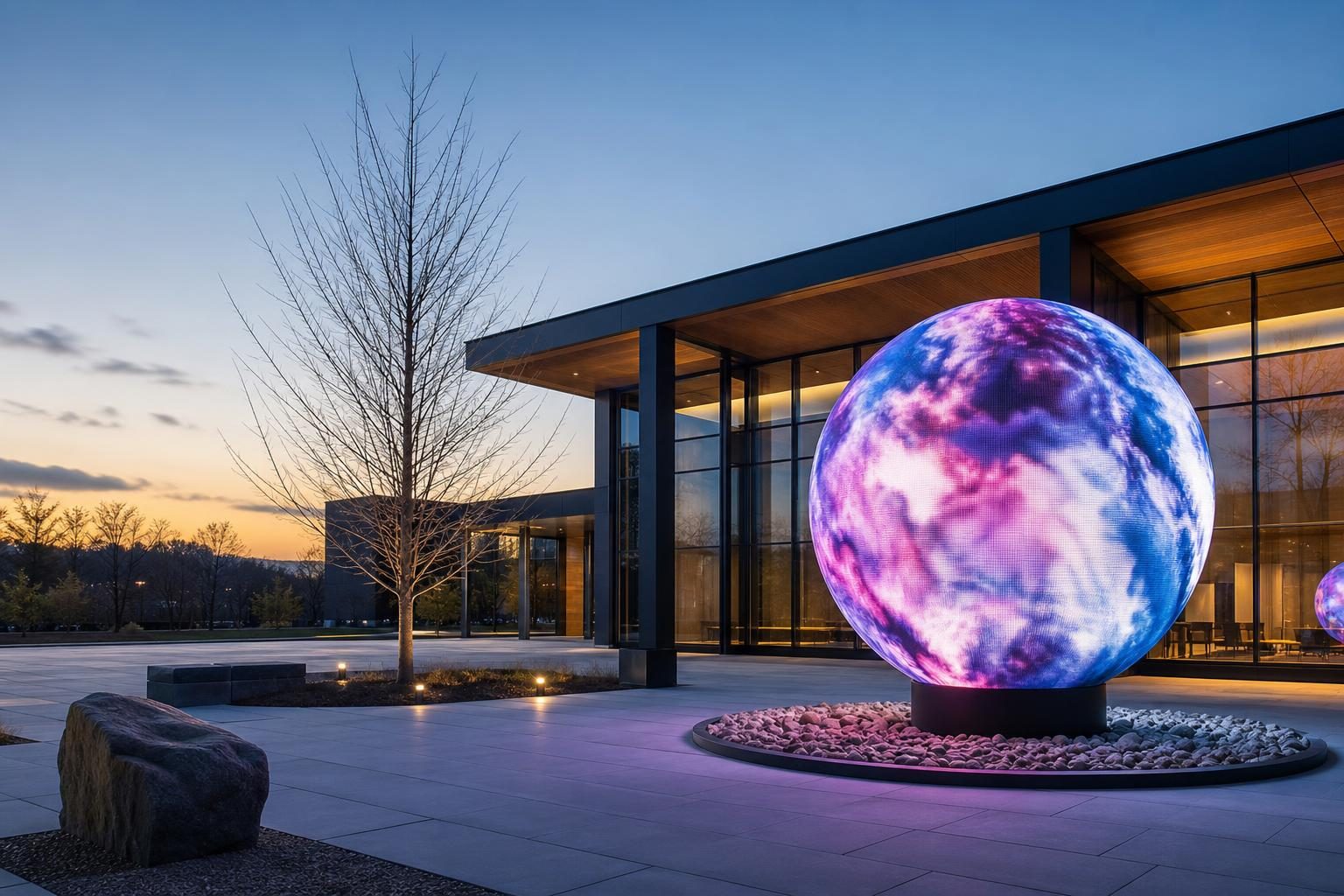
Organizations across Connecticut seeking distinctive ways to present dynamic content in outdoor environments may be exploring the concept of an outdoor digital sphere. This page provides an in-depth overview for anyone considering this innovative display format, including a conceptual introduction, typical use cases for Connecticut’s unique venues, and essential planning and specification questions to clarify before embarking on such a project. Whether the goal is to create an eye-catching centerpiece, drive interactive public art, or support brand messaging in open-air environments, careful evaluation can help ensure a successful outcome that matches your regional goals and audience.
Understanding the Outdoor Digital Sphere
An outdoor digital sphere can be considered a sculptural display format designed to present video or visual content in three dimensions across a curved spherical surface, rather than on a flat screen. For outdoor deployment, spheres are intended to attract attention from multiple vantage points, creating a visual landmark or gathering point for visitors. Unlike traditional displays, a sphere provides viewers with a 360-degree experience, which may encourage creative content approaches and new forms of engagement in public spaces.
Potential content types include artistic animations, abstract graphic patterns, festival programming, sponsor or branding segments, and wayfinding information. The effect is an ever-changing digital surface visible from all sides—ideally positioned where people naturally circulate, such as city plazas or event areas. The allure of the sphere is its dynamic surface, with the capability to stand out as a sculptural technology installation amid Connecticut’s blend of urban, historic, and natural environments.
Reasons Connecticut Organizations May Explore a Spherical Display
Unlike familiar rectangular signage, the outdoor digital sphere offers a unique opportunity to introduce modern, experiential content into outdoor settings. Some planning motivations Connecticut organizations may consider:
- Visual Impact & Attraction: The spherical format is conceptually designed to be noticed from a distance and spark curiosity, making it useful for sites seeking to draw foot traffic or create memorable destination points.
- Event or Program Anchoring: As a centerpiece for events (such as festivals, sporting events, or public gatherings), a digital sphere may act as both a visual and social focal point.
- Creative Content Opportunities: The three-dimensional shape enables display of immersive or wraparound content, challenging creatives to develop visuals that utilize the full surface, from abstract art to community messaging.
- Photo and Social Engagement: Modern audiences often look for interactive or visually striking backgrounds for photos. A glowing digital sphere, potentially changing throughout the day or evening, can provide sharable experiences.
Conceptual Applications for Outdoor Digital Spheres in Connecticut
When considering whether an outdoor digital sphere is appropriate for a Connecticut site or project, explore the following conceptual applications—each can be tailored to local audiences and venues:
- Outdoor Festivals and Fairs: Connecticut is home to numerous regional and municipal celebrations throughout the year, from food and music festivals on the coastline to cultural events in small towns. In such environments, a digital sphere could be positioned at the heart of the event for live visualizations, performer features, sponsor segments, or synchronized light shows.
- Sponsorship and Branded Experiences: In the context of university events, campus gatherings, or pro-amateur sporting venues, a digital sphere can conceptually serve as a branded hub or engagement zone, cycling between sponsor logos, interactive messages, and event-specific graphics.
- Tourism and Destinations: Tourist attractions like waterfront promenades, historic towns, or major transit gateways in Connecticut may use a digital sphere installation to provide welcoming visuals, orientation information, or dynamic local art.
- Retail and Hospitality: Open-air shopping promenades, resort hotel exteriors, or other hospitality-oriented campuses may incorporate a digital sphere as a visual statement piece, encouraging dwell time and engagement with promotions or community messages.
- Public Art Installations: Municipal arts initiatives in Connecticut may fund or host conceptual digital sphere installations animating public plazas with curated digital artworks, seasonal themes, or civic celebration visuals—potentially attracting a wide diversity of residents and visitors.
Key Planning Considerations for Outdoor Digital Spheres in Connecticut
Bringing an outdoor digital sphere to life in Connecticut—or any region—presents special considerations for planning, evaluation, and site readiness. Key factors may include:
- Location Suitability: What kind of site will host the sphere? Pedestrian plazas, festival grounds, or park entrances may each present different crowd flow, visibility, and power access challenges.
- Audience Circulation and Engagement: Does the intended placement allow for viewers to approach safely from multiple directions, maximizing the 360-degree effect of the display?
- Seasonal and Local Environmental Factors: What steps are necessary to assess Connecticut’s climate—cold winters, spring rains, summer heat—and confirm site preparation with the help of engineering or local permitting professionals?
- Structural and Electrical Needs: Does the venue provide a suitable, stable surface and electrical access that meets expected requirements for display operation?
- Lighting and Time-of-Day Effects: Will the display be visible during daylight and at night, and does the surrounding environment create any light pollution or glare issues that should be addressed?
- Permitting and Community Review: What local zoning, historic commission, or community advisory processes must be reviewed and approved in Connecticut municipalities?
- Safety, Security, and Accessibility: Has the team considered pedestrian safety, ADA accessibility, and security measures around the display?
- Temporary vs. Permanent Installation: What are the requirements for transport, assembly, and eventual removal, if the sphere is intended for short-term display?
Planning Content Strategy and Audience Experience
An outdoor digital sphere surface calls for unique creative planning compared to traditional flat screens. The following may guide content strategy for Connecticut venues:
- How will static and motion graphics be mapped for a curved, visible-from-all-sides surface?
- Will the content program require flexibility for event-specific changes, city programming, or multiple sponsors?
- Which visual styles (e.g., abstract, photographic, data visualizations) suit the audience, time of day, or event?
- Are there community considerations for content appropriateness, branding, or language?
- Does the anticipated audience gather in close proximity or at a distance, requiring different design approaches for readability and clarity?
- How might content be scheduled—on a continuous loop for landmark art, or timed to specific program segments for festivals or product launches?
Creative teams may want to collaborate early with sphere suppliers and site managers to confirm file formats, sequencing, and capabilities—even prototyping sample visuals to validate the audience experience for various locations in Connecticut.
Comparison Table: Outdoor Digital Sphere vs. Traditional Outdoor Display (Conceptual)
| Feature | Outdoor Digital Sphere | Conventional Outdoor Display |
|---|---|---|
| Viewing Angle | 360-degree, all-around viewing | Primarily front-facing |
| Visual Presence | Sculptural, immersive presence | Flat or curved, no full wraparound |
| Content Possibilities | Animated art, immersive branding, live event integration | Standard signage, advertising, and video |
| Placement Flexibility | Freestanding, focal installations, event hubs | Wall-mounted, fixed in place |
| Planning Requirements | Circular audience flow, custom engineering; confirm with supplier | Wall or simple structure mounting; confirm with supplier |
Outdoor Digital Sphere Selection Guidance for Connecticut
Each Connecticut project will have unique requirements. Start your selection process by:
- Evaluating the event or venue’s intended audience size and traffic flow
- Assessing the available footprint and ground surface stability at the planned site
- Confirming reliable access to power sources that meet the product’s needs (validation required by supplier)
- Understanding how the sphere integrates visually with its surroundings, ensuring it contributes positively to the architectural or landscape context
- Aligning programming goals with organizational or sponsor messaging needs
- Identifying the length and timing of the display’s presence (permanent vs. temporary installation)
Connecticut buyers and planners are encouraged to document clear specification requirements and consult with both display suppliers and relevant local regulatory agencies early in the process.
Outdoor Digital Sphere: Common Mistakes and How to Avoid Them
- Proceeding without reviewing structural, electrical, or site suitability, which may result in delays or additional engineering costs
- Neglecting local permitting steps or misinterpreting Connecticut’s diverse municipal regulations
- Underestimating assembly complexity and transport logistics for large or heavy display components
- Overlooking safety clearances or pedestrian accessibility, especially in crowded festival or plaza contexts
- Failing to plan for content appropriateness, scheduling, or audience appropriateness for high-visibility settings
Environmental and Lighting Considerations in Connecticut
Siting an outdoor digital sphere in Connecticut may require extensive planning for weather, climate, and environmental exposure. Considerations may include:
- Variation in temperature and humidity across seasons, requiring additional protections or environmental testing as confirmed with the supplier
- Direct sunlight, shade patterns from neighboring trees or buildings, and nighttime conditions that impact visibility and audience experience
- Potential exposure to rain or snow at open sites, requiring conversations with the supplier about coverage and safe operation under adverse conditions
- Ensuring a clean and debris-free installation zone, protecting both visitors and the display equipment during operation
Maintenance Planning and Operational Considerations
Careful planning for ongoing access and potential maintenance is a key part of the buyer’s planning process. Consider the following:
- What regular checks or cleaning may be needed to keep the display surface visually clear and safe for audiences?
- How will the installation team or ongoing maintenance staff access the sphere for inspection, especially if sited in high-traffic or hard-to-reach locations?
- Is there a contingency plan for unexpected site incidents, vandalism, or environmental damage during public festivals or events?
- Does the selected supplier confirm available maintenance services or recommended schedules for the display technology?
Including maintenance and operational planning up front helps ensure a reliable and safe visitor experience while preserving the visual impact of the sphere.
Frequently Asked Questions: Outdoor Digital Sphere in Connecticut
- What site preparation steps should be taken before considering an outdoor digital sphere?
- Site preparation may include a professional review of foundation stability, available power sources, and audience circulation features by a design or engineering team. Clarify specific site requirements with your display supplier and local planning officials to avoid delays.
- Which kinds of Connecticut events or venues could consider a digital sphere?
- Conceptual applications include music or art festivals, branded pop-up experiences, high-traffic tourism destinations, shopping centers, university event hubs, and municipal plaza installations. Evaluate each option’s suitability according to the space, goals, and community context.
- Does the selected supplier confirm weather suitability and safety for Connecticut climates?
- Buyers should ask directly if the proposed system has been evaluated or recommended for New England weather conditions, including snow, variable humidity, salt spray in coastal areas, and temperature swings. Request documentation or a supplier’s validation as appropriate.
- Can the selected supplier confirm content file support and playback scheduling?
- Inquire about supported content file formats, resolution compatibility, playback systems, and whether setup allows for scheduled or programmable content—tailored to event-specific needs or regular operation hours.
- What are typical permitting or code compliance steps for Connecticut installations?
- Permit and code requirements may differ across Connecticut municipalities. Contact both the local building official or planning department and your supplier to review necessary approvals before installation, including zoning, safety, and community suitability issues.
- Which measurements or site data should be collected before requesting a quote?
- Gather details on available space (width, depth, height clearance), electrical and data access, surface condition, and estimated audience density. Providing site photos or drawings can help suppliers prepare accurate proposals.
Checklist: Buyer Questions for Outdoor Digital Sphere Planning
- What are the site and access requirements for installing a digital sphere in my chosen Connecticut venue?
- Which structural, power, or mounting needs should be confirmed before seeking a proposal?
- Does the selected supplier confirm how the system may operate in expected local weather and environmental conditions?
- Can the supplier specify available content control and playback options for my type of event or installation?
- Which permitting, code compliance, or zoning reviews must be discussed in my city or town before display deployment?
- Does the selected supplier confirm available ongoing support, maintenance, or troubleshooting for the sphere?
- What is the expected lead time from order to delivery and setup, and what preparatory steps are the buyer’s responsibility?
Looking Ahead: Conceptual Advancements for Digital Spheres
Organizations in Connecticut interested in public visual experiences, artistic installations, or innovative event concepts may watch for advancements in display technology and interactive formats. When considering future projects:
- Stay in contact with suppliers for any updates regarding improved visual fidelity, content interactivity, or control systems (supplier validation required)
- Plan for evolving municipal guidelines as digital experiences become more integrated into public spaces
- Maintain flexibility in creative planning to adapt to new content approaches and changing audience preferences
- Explore collaborations with Connecticut artists, designers, and community stakeholders for meaningful local integration
Contact for Outdoor Digital Sphere Project Guidance
If you are considering an outdoor digital sphere project in Connecticut and want guidance on site evaluation, project planning, or product conceptualization, explore the Outdoor Digital Sphere overview page or reach out for more details. Every project is unique, and proceeding with a clear checklist and direct supplier inquiry is essential for a successful outcome tailored to Connecticut’s venues, events, and audiences.
Ready to Explore Your Outdoor Digital Sphere Project?
Discuss an outdoor digital sphere project in Connecticut. Request more information, clarify local requirements, or obtain a product discussion tailored to your venue, destination, or event. Careful planning supports creative outcomes and a memorable experience for your audience.